- Home
- Manual Assembly Line
Cylindrical – Manual Assembly Line
A complete manual and semi-automatic solution for cylindrical lithium battery pack assembly. Designed to support accurate grading, inspection, welding, testing, and aging processes for flexible and efficient production setups.
Technical Excellence
Cylindrical Battery Pack Assembly Equipment
Key Fixture Features
- High-channel cell grading with energy-saving and linear power designs
- Support for insulation paper application and precise cell sorting workflows
- Multiple welding options including manual, pneumatic, and automatic systems
- Integrated visual inspection, BMS testing, and comprehensive pack testing
- Flexible aging configurations with communication protocols and temperature monitoring
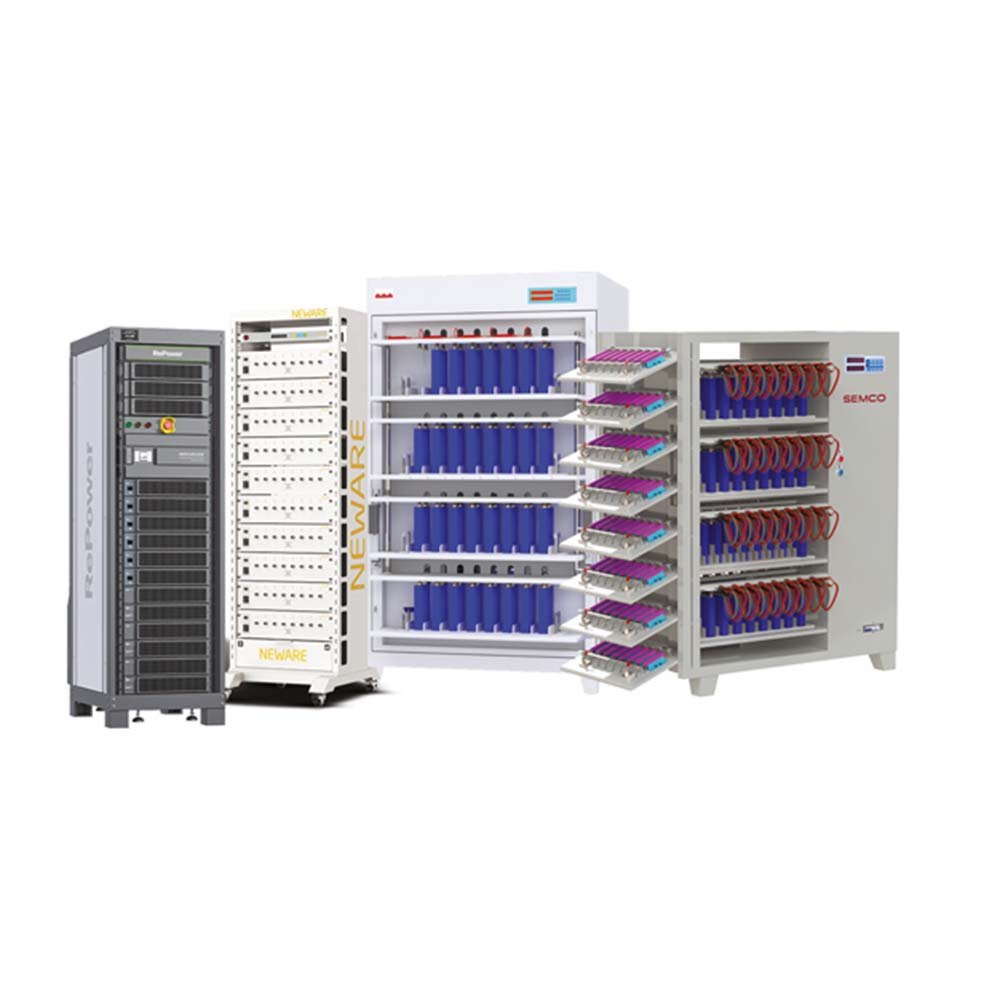
- Cell Grading Machine
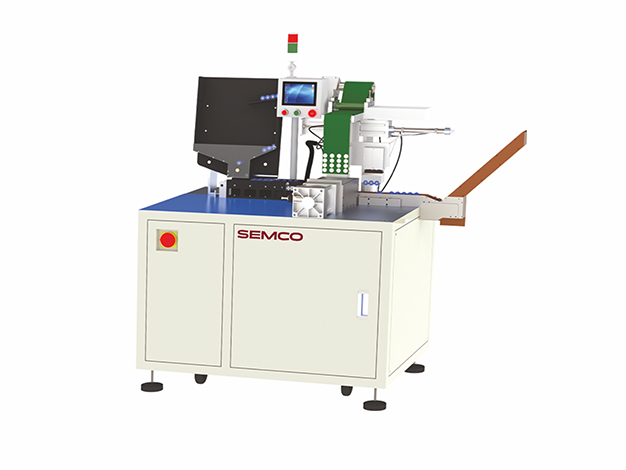
- Battery Sticking Machine
- Cell Sorting Machine
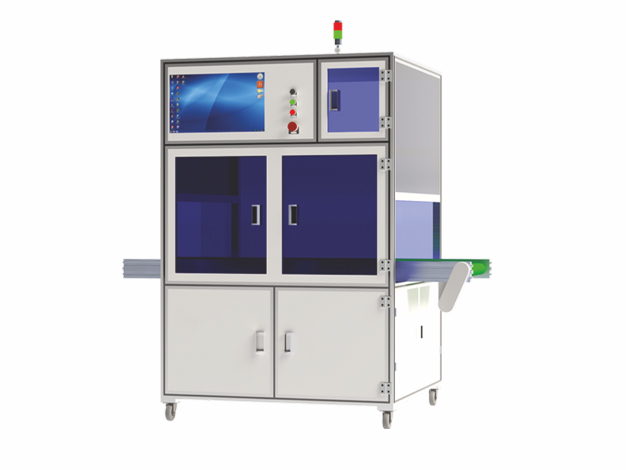
- CCD Inspection Machine
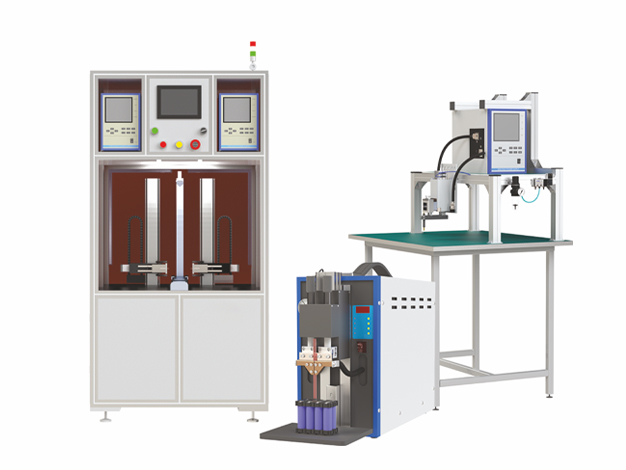
- Welding Machine
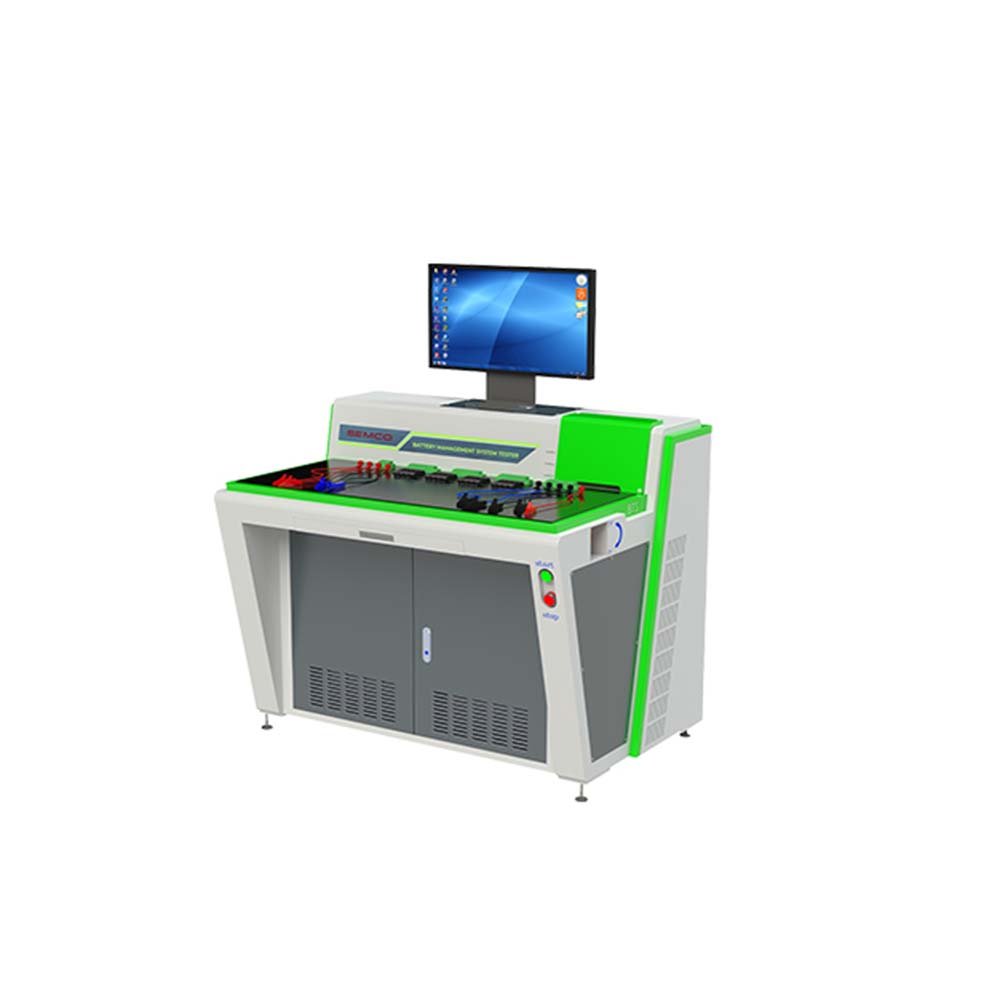
- BMS Tester
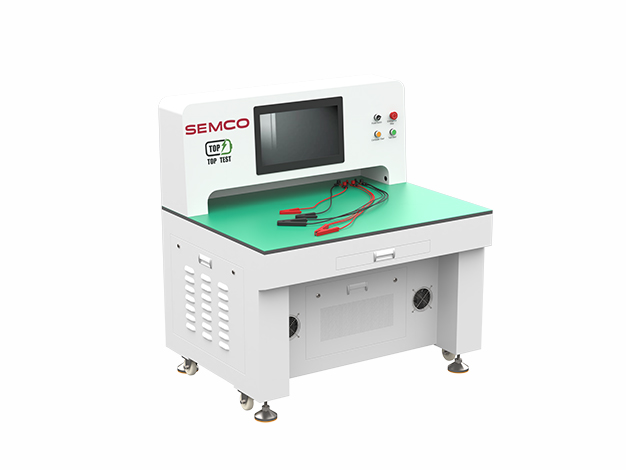
- Battery Pack Tester
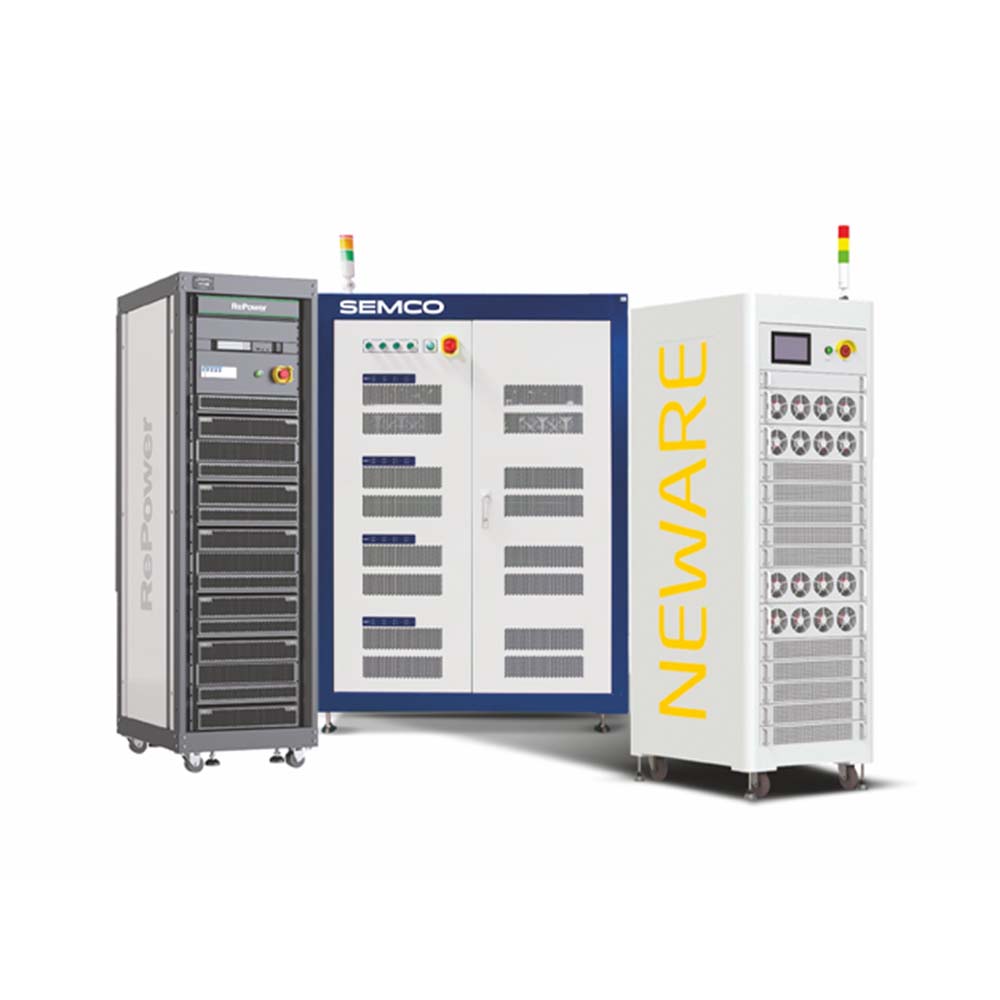
- Battery Aging Machine
Request a Quote
- Patparganj Industrial Area, New Delhi
- sales@semcoindia.com
- +91-9289038327
Overview
The Manual Assembly Line by Semco Infratech is a highly flexible and cost-effective solution designed for lithium-ion battery pack manufacturing. It is ideal for startups, pilot production, and low-to-medium scale manufacturing environments.
This Manual Assembly Line supports multiple stages of battery production, including cell sorting, stacking, welding, testing, and final assembly. The system ensures high precision while allowing operator control at every stage, making it perfect for customized battery pack configurations.
With a modular design and scalable architecture, the Manual Assembly Line enables manufacturers to gradually upgrade to semi-automatic or fully automated systems as production demand grows.
Product Specifications
The Manual Assembly Line for cylindrical lithium-ion battery packs is designed with a systematic sequence of machines to ensure precision, consistency, and quality at every stage of production. Each station in the Manual Assembly Line performs a critical function, enabling efficient battery pack assembly with operator-assisted control.
Sequence of Machines in Manual Assembly Line
1. Cell Grading Machine
The Cell Grading Machine is the first step in the Manual Assembly Line, used to measure and classify battery cells based on voltage, capacity, and internal resistance. This ensures only uniform cells are used, improving battery performance and lifespan.
2. Battery Insulation Paper Sticking Machine
This machine applies insulation paper to cylindrical cells to prevent short circuits and enhance safety. In the Manual Assembly Line, this step is crucial for maintaining electrical isolation between cells.
3. Cell Sorting Machine
The Cell Sorting Machine organizes graded cells into specific groups based on their parameters. This step in the Manual Assembly Line ensures balanced battery pack formation and optimized efficiency.
4. CCD Visual Inspection Machine
The CCD Visual Inspection Machine uses advanced imaging technology to detect surface defects, misalignment, or inconsistencies. This enhances quality control within the Manual Assembly Line by eliminating defective cells early in the process.
5. Welding Machine
The Welding Machine (spot/laser welding compatible) is used for connecting cells through busbars or nickel strips. This stage in the Manual Assembly Line ensures strong electrical connections and structural integrity of the battery pack.
6. BMS Tester
The BMS (Battery Management System) Tester verifies the functionality of the BMS, including voltage protection, temperature control, and balancing features. This ensures safety and proper battery management within the Manual Assembly Line.
7. Battery Pack Comprehensive Tester
This testing system evaluates the complete battery pack for parameters such as voltage, current, charge/discharge performance, and safety compliance. The Manual Assembly Line integrates this step to ensure every pack meets quality standards before dispatch.
8. Battery Aging Machine
The Battery Aging Machine performs charge-discharge cycles to stabilize battery performance and identify early failures. This final stage of the Manual Assembly Line ensures long-term reliability and consistency of the battery packs.
Applications
The Manual Assembly Line is widely used across multiple industries where battery pack customization and precision are critical:
- Electric Vehicles (EVs): Two-wheelers, three-wheelers, and EV components
- Energy Storage Systems (ESS): Solar and grid storage solutions
- Consumer Electronics: Power tools, laptops, and portable devices
- Telecom Backup Systems: Reliable battery packs for uninterrupted power
- Industrial Applications: UPS systems and automation equipment
Support & Warranty
The product comes with a dedicated support and service package that includes activation, calibration assistance, and post-installation guidance.
- Standard warranty period
- Spare part availability details
- On-site / online installation support
- AMC (Annual Maintenance Contract) option
- Technical support contact email
Faq
Frequently Asked Questions
Find quick answers to common questions about our Manual Assembly Line, including automation capabilities, supported battery types, customization options, safety standards, and production scalability.
What is a Manual Assembly Line in battery manufacturing?
A Manual Assembly Line is a production setup where operators perform key battery assembly processes with assisted tools, ensuring flexibility and precision.
Why choose a Manual Assembly Line over an automatic system?
A Manual Assembly Line is cost-effective, customizable, and ideal for low to medium production volumes or pilot projects.
Can a Manual Assembly Line be upgraded later?
Yes, a Manual Assembly Line is modular and can be upgraded to semi-automatic or fully automated systems as production scales.
What types of batteries can be assembled on a Manual Assembly Line?
The Manual Assembly Line supports cylindrical, prismatic, and pouch lithium-ion battery packs.
How does a Manual Assembly Line ensure quality?
With controlled processes, inspection systems, and testing modules, the Manual Assembly Line ensures consistent product quality.
What industries use a Manual Assembly Line?
Industries like EV, energy storage, telecom, and electronics rely on a Manual Assembly Line for battery production.
Is training required to operate a Manual Assembly Line?
Yes, operators are trained to handle the Manual Assembly Line efficiently, ensuring safety and precision.
What is the ROI of a Manual Assembly Line?
A Manual Assembly Line offers high ROI due to low initial investment, flexibility, and scalability for future expansion.