Both new energy vehicles and energy storage systems are experiencing rapid growth, driving the demand for advanced battery technologies. This article delves into the key differences between power battery PACKs and energy storage battery PACKs, focusing on their design considerations, applications, and structural characteristics.
Understanding Battery PACK Structure
The term “PACK” refers to the complete assembly of multiple battery cells, along with the necessary components to ensure safe and efficient operation. This includes:
- Battery Cells: The fundamental building blocks of the PACK.
- Connection Boards: Facilitate electrical connections between cells.
- Temperature Control Systems: Manage battery temperature to prevent overheating or excessive cooling.
- Protection Circuits: Monitor and respond to critical parameters (voltage, current, temperature) to prevent safety hazards.
- Battery Management System (BMS): Controls and monitors the battery pack’s overall performance, including charging, discharging, and balancing.

Power Battery Pack
Power Battery PACK: Performance and Speed
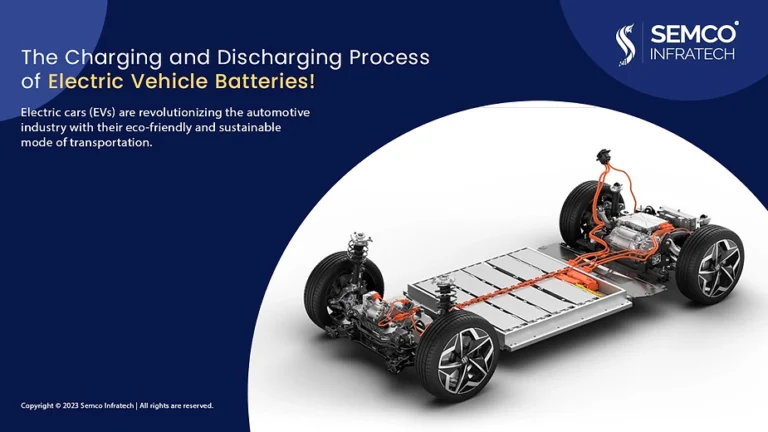
Power battery PACKs, primarily used in electric vehicles, prioritize high power density, energy density, and rapid charging/discharging capabilities. Key design considerations include:
- High-Performance Cells: Often utilize high-energy density chemistries such as lithium-ion batteries with advanced cathode materials.
- Robust Thermal Management: Employ sophisticated cooling systems (liquid cooling is common) to manage the significant heat generated during high-power operation.
- Advanced BMS: Focuses on rapid charging/discharging, precise state-of-charge estimation, and real-time performance monitoring.
- Lightweight and Compact Design: Emphasizes minimizing weight and maximizing space utilization within the vehicle.
- Stringent Safety Standards: Must meet stringent safety regulations to ensure passenger safety in case of accidents.
Energy Storage Battery PACK: Durability and Cost-Effectiveness
Energy storage battery PACKs, used in applications like grid-scale energy storage and home energy systems, prioritize long-term stability, cost-effectiveness, and safety. Key design considerations include:
- Durable Cell Chemistries: Often utilize more robust chemistries like lithium iron phosphate (LFP) or lithium titanate (LTO), which offer excellent cycle life and safety.
- Simplified Thermal Management: Focuses on cost-effective cooling solutions such as air cooling or natural convection.
- Energy Management-Centric BMS: Prioritizes optimizing energy utilization, maximizing cycle life, and minimizing energy losses during charging and discharging.
- Robust and Durable Construction: Emphasizes long-term durability and resistance to environmental factors.
- Cost-Effective Materials: Focuses on utilizing cost-effective materials and manufacturing processes.

Energy Storage Battery Pack
Key Differences Summarized:
- Cell Chemistry: Power batteries often utilize higher energy density but potentially less stable chemistries, while energy storage batteries prioritize stability and cycle life.
- Thermal Management: Power batteries require more sophisticated and aggressive cooling systems compared to energy storage batteries.
- BMS Focus: Power battery BMS prioritizes high-power performance and rapid charging/discharging, while energy storage BMS emphasizes long-term energy management and battery life.
- Safety Considerations: While both prioritize safety, the specific safety requirements may differ based on the application environment.
- Structural Design: Power battery PACKs often emphasize compact designs and lightweight materials, while energy storage battery PACKs may prioritize robust construction and cost-effectiveness.

In conclusion, while both power battery PACKs and energy storage battery PACKs share fundamental principles, their specific design considerations and priorities diverge significantly based on their respective applications. These differences necessitate distinct approaches to cell selection, thermal management, BMS design, and overall structural engineering.