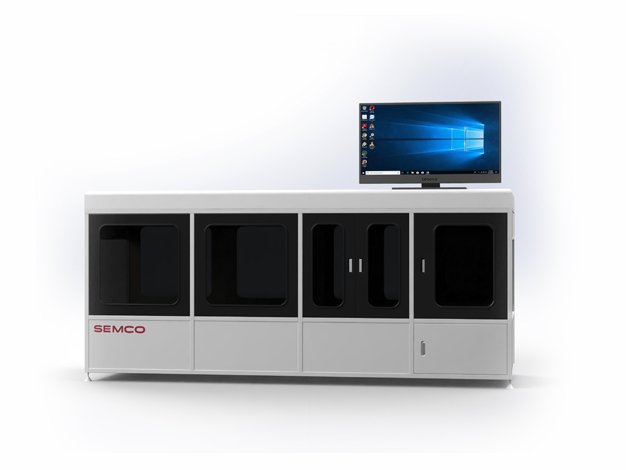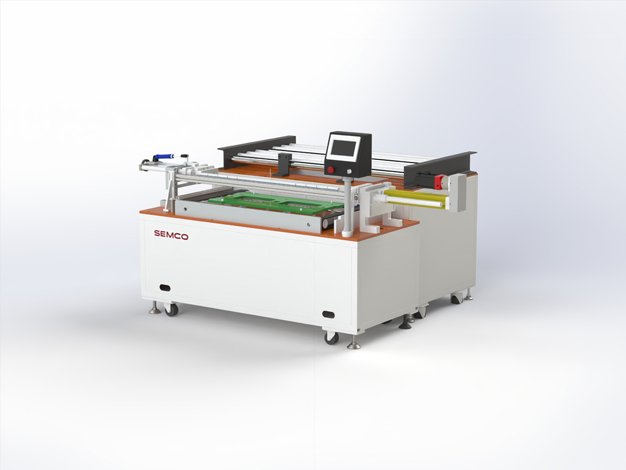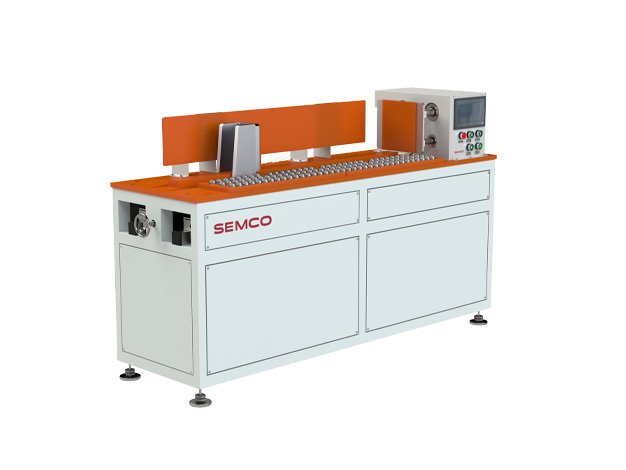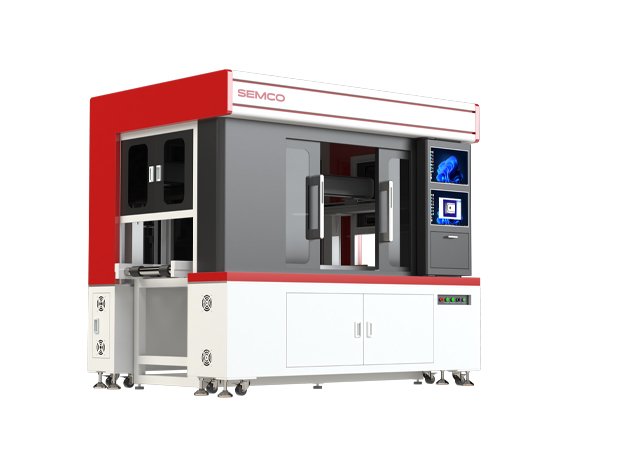
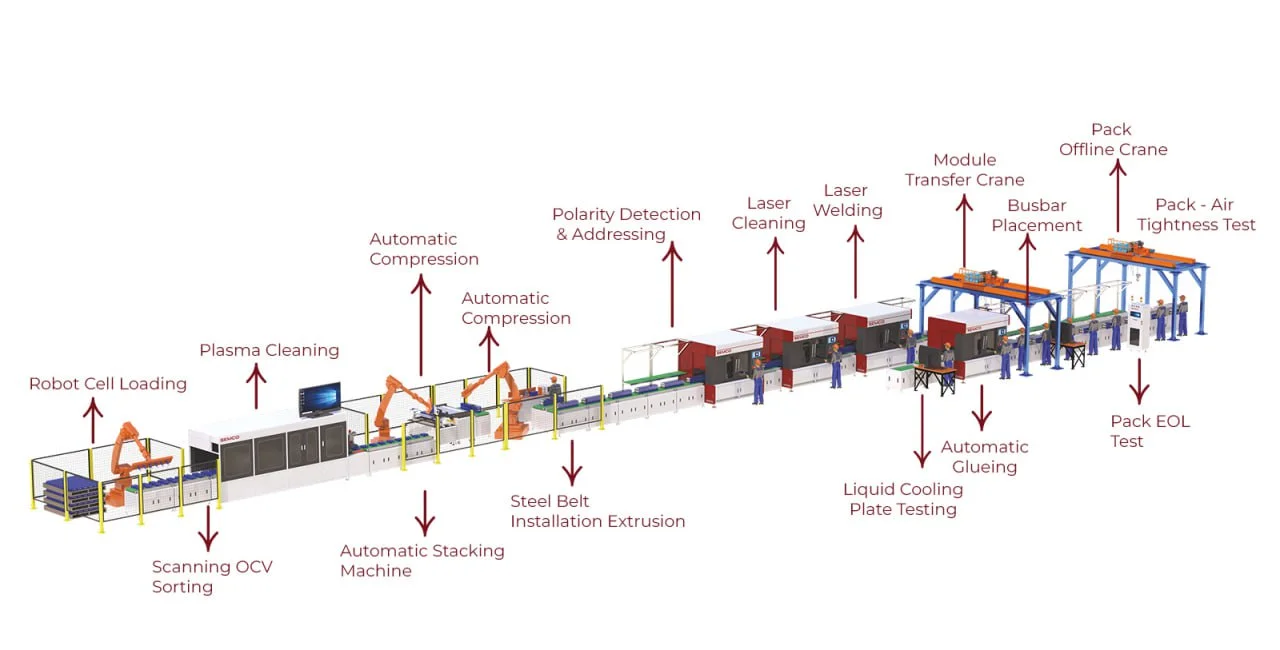
BESS Assembly Line

As battery energy storage systems transition from demonstration projects to large-scale utility deployments, the BESS Assembly Line has emerged as a decisive factor in product reliability, safety, and scalability. It is far more than a manufacturing setup—it forms the core of modern energy storage production. Organizations that overlook its importance often face long-term consequences such as performance inconsistencies, certification delays, or costly recalls.

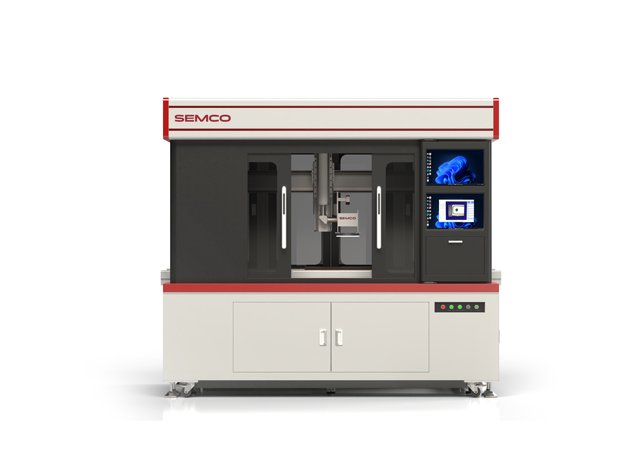
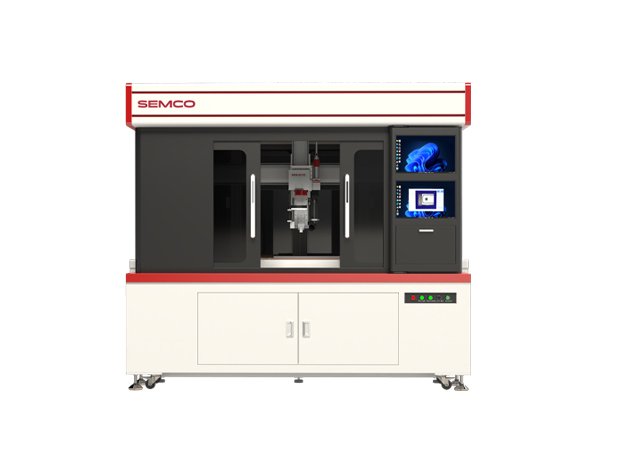
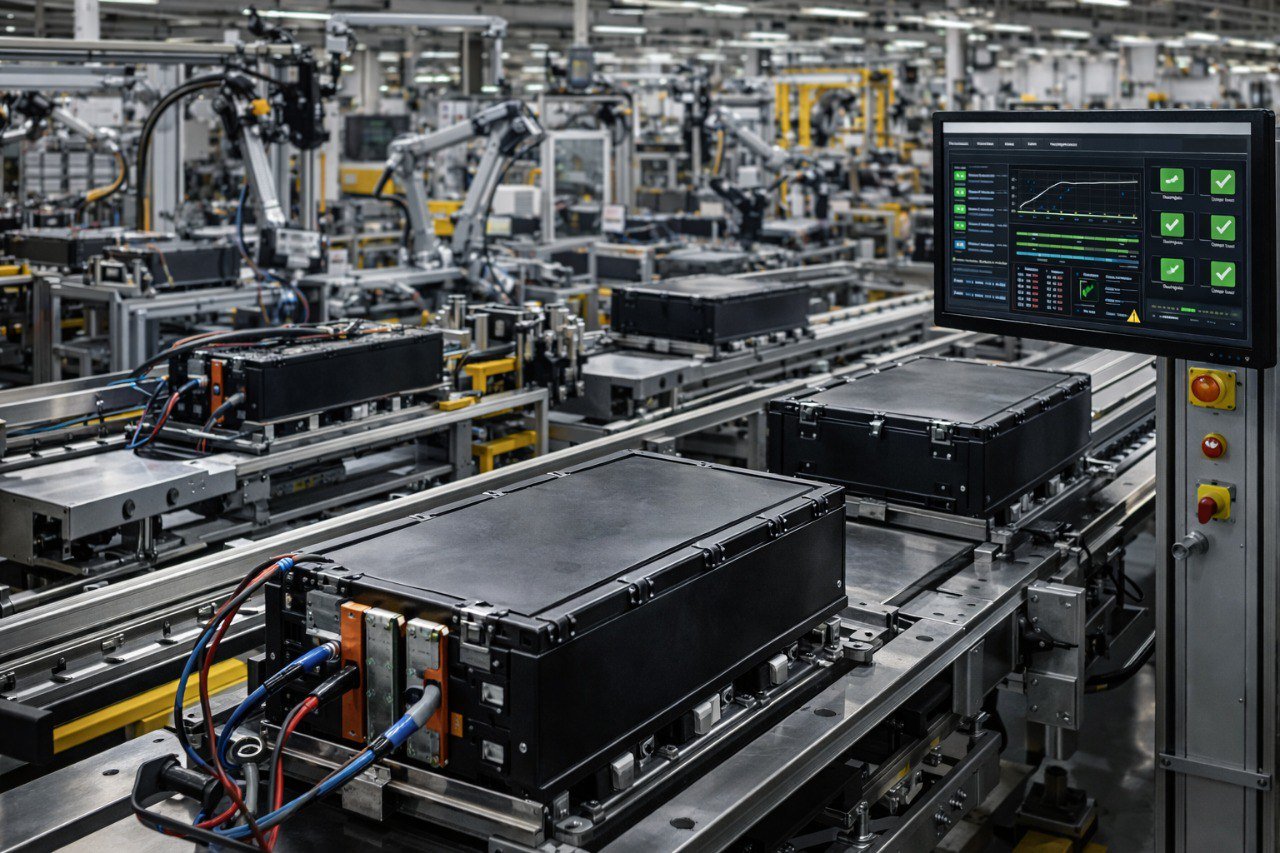
A BESS assembly line is a systematic manufacturing framework that transforms individual battery cells into fully integrated modules, racks, and containerized battery energy storage systems. Compared to conventional battery assembly, BESS production requires significantly higher precision, as even a minor defect can affect systems operating at the megawatt level. Manual or partially automated processes struggle to meet the strict requirements for accuracy, traceability, and safety, especially at scale.

The workflow usually starts with cell inspection and classification. Each cell is evaluated for voltage uniformity, internal resistance, and physical integrity before entering the production line. Bypassing this step to speed up production is a common but costly error, often resulting in rack imbalance and thermal instability later in the system’s lifecycle. Approved cells then proceed to module assembly, where automated stacking, laser welding, and insulation placement deliver consistent electrical performance and mechanical durability.

The next phase is battery pack and rack assembly, where modules are combined with busbars, sensing devices, and protection components. A properly engineered BESS assembly line includes poka-yoke systems to eliminate incorrect wiring and polarity mistakes. Thermal management elements—such as air or liquid cooling systems—are also integrated at this stage, as inadequate thermal control directly undermines long-term system reliability.

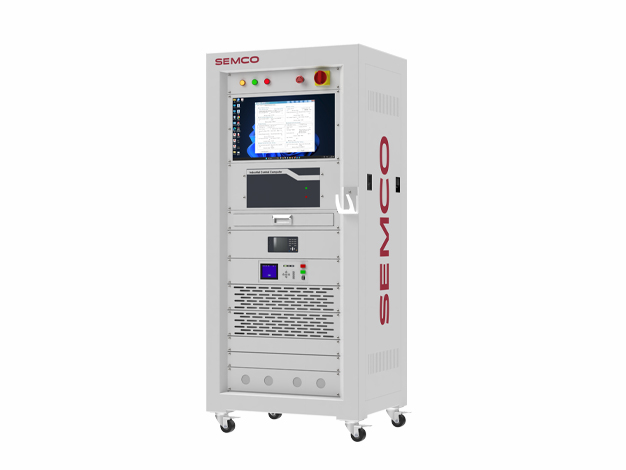
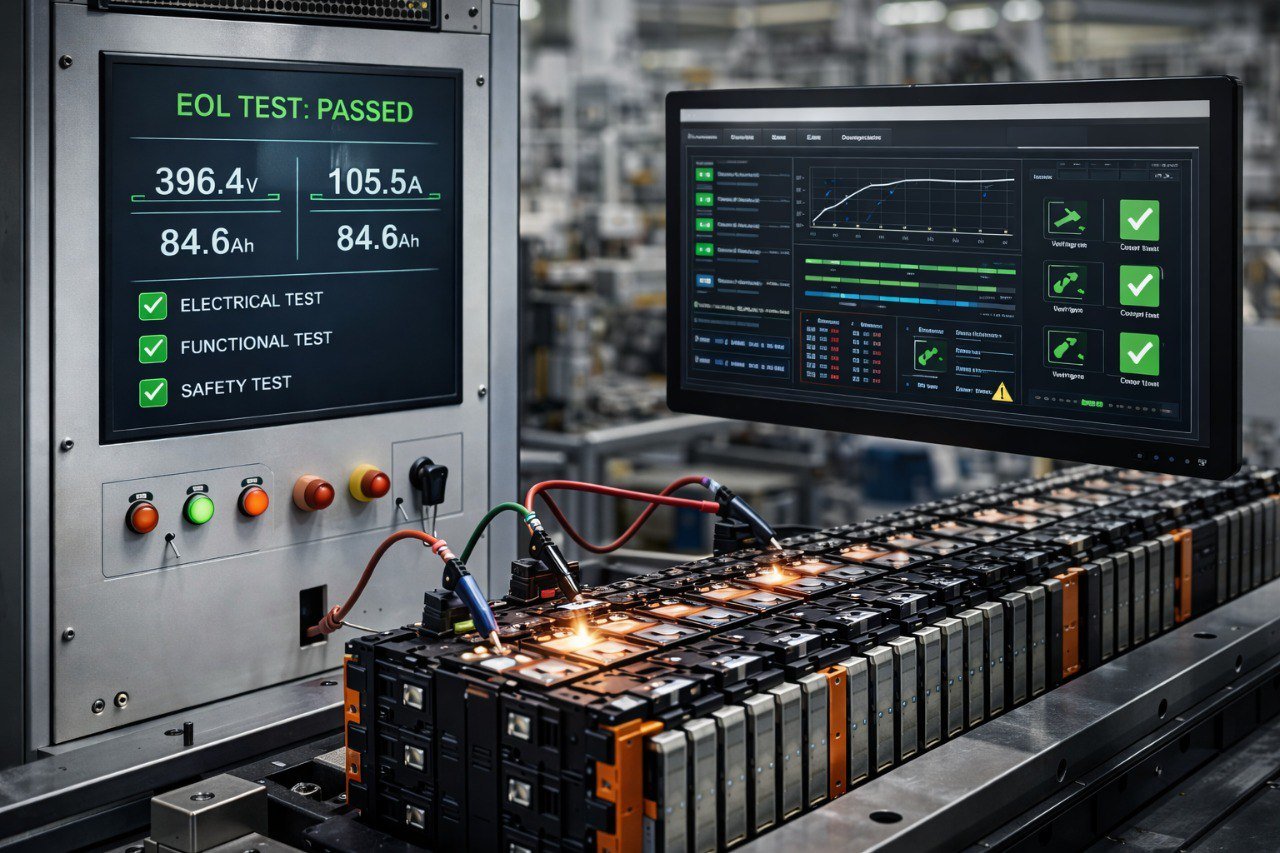
In-line testing is one of the most critical yet frequently underestimated aspects of BESS manufacturing. A robust assembly line incorporates insulation resistance testing, high-voltage checks, and functional validation at multiple points in the process. Delaying testing until final inspection significantly increases the risk of expensive failures. Early fault detection protects both production efficiency and brand credibility.

The final phase focuses on container integration, where battery racks, power conversion interfaces, fire suppression systems, and control wiring are installed into standardized enclosures. Regulatory compliance becomes essential here. Utility-scale BESS installations must meet IEC, UL, and regional grid standards. Advanced assembly lines integrate compliance requirements directly into production rather than treating certification as a post-production task.

Automation within a BESS assembly line is not intended to replace skilled labor—it is designed to minimize process variation. Features such as automated torque control, digital traceability, and MES integration ensure that every system produced is consistent, auditable, and finance-ready. For project developers and utilities, this level of reliability often outweighs cost considerations.

Ultimately, the quality of a BESS assembly line defines whether a manufacturer is delivering a true industrial-grade energy storage solution or merely assembling batteries. As market demand accelerates, only manufacturers with disciplined, automated, and testing-focused assembly processes will remain competitive.


FAQs

1. What is a BESS Assembly Line?
A BESS assembly line is a structured production system that assembles battery cells into modules, racks, and complete battery energy storage systems with integrated testing and quality control.

2. Why is automation critical in a BESS assembly line?
Automation minimizes human error, improves consistency, enables full traceability, and supports compliance with safety and grid regulations at scale.

3. What are the main stages of a BESS assembly line?
Cell inspection and testing, module assembly, rack integration, in-line electrical testing, and containerized system assembly.

4. Is manual assembly suitable for BESS manufacturing?
Only for very low volumes. Manual assembly becomes unreliable at scale due to higher defect rates, safety concerns, and inconsistent quality.

5. How does a BESS assembly line enhance system safety?
It enforces controlled manufacturing steps, verified connections, and mandatory testing, which are essential to prevent electrical faults and thermal runaway.

Leave a Reply

Your email address will not be published. Required fields are marked *

Explore More

A Comprehensive Guide to Maintaining Aging Test Equipment

Aging Test Equipment

Aging test equipment plays a critical role in ensuring the reliability and longevity of electronic products, especially in industries involving battery-making machines and battery-making equipment. These sophisticated systems subject products

Understanding and Managing Battery Pack Inconsistency for Optimal Performance

tips to increase battery consistency performance

This article explores the key considerations for designing a battery pack for electric vehicles (EVs), focusing on four crucial aspects: mechanical, safety, maintenance, and cost. 1. Mechanical Requirements: 2. Safety

Spot Welding-The Crucial Connection in Lithium-ion Batteries

1710921852493

Modern technology relies on lithium-ion batteries to power everything from electric cars to laptops and smartphones. But for these batteries to work, there needs to be a secure electrical connection,