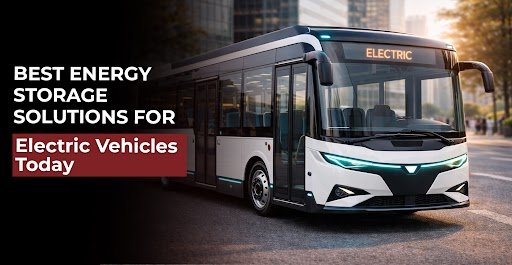
Introduction: Why Energy Storage Solutions for Electric Vehicles Matter
The rapid growth of electric mobility has placed energy storage solutions for electric vehicles at the center of the EV ecosystem. While electric motors are highly efficient and relatively simple in design, the true determinant of an EV’s range, performance, reliability, and cost lies in how energy is stored and delivered. As adoption increases across passenger cars, commercial fleets, and heavy-duty transport, manufacturers must rely on energy storage systems that deliver high energy density while maintaining safety, durability, and cost efficiency.
However, selecting the right energy storage solutions for electric vehicles involves more than simply increasing battery capacity. Real-world EV operation exposes storage systems to fast charging cycles, thermal stress, and gradual degradation over time. In addition, different vehicle categories—from urban mobility vehicles to high-performance cars and long-haul trucks—require different energy storage strategies. Understanding the most effective technologies is therefore essential for automakers, suppliers, and infrastructure developers aiming to scale electric mobility.
Lithium-Ion Batteries: The Most Common Energy Storage Solutions for Electric Vehicles
Lithium-ion batteries remain the dominant energy storage solutions for electric vehicles due to their high efficiency, strong energy density, and mature manufacturing ecosystem. Most EV manufacturers currently rely on lithium-ion chemistries such as Nickel Manganese Cobalt (NMC), Nickel Cobalt Aluminum (NCA), and Lithium Iron Phosphate (LFP).
One of the key advantages of lithium-ion technology is its high energy density. Modern battery systems can exceed 250 Wh/kg, allowing vehicles to store large amounts of energy without excessive weight or space requirements. This capability is essential for increasing driving range and supporting mass EV adoption.
Additionally, years of industrial investment have created scalable manufacturing processes and global supply chains that support the continued growth of lithium-ion-based energy storage solutions for electric vehicles.
Despite these strengths, lithium-ion batteries still face several operational challenges:
- Risk of thermal runaway under extreme conditions
- Performance degradation after repeated charging cycles
- Dependence on critical raw materials such as lithium, nickel, and cobalt
Continuous improvements in battery management systems, advanced cooling methods, and improved cell chemistry are helping address these issues and extend battery lifespan.
Solid-State Batteries as Next-Generation Energy Storage Solutions for Electric Vehicles
Solid-state batteries are widely considered one of the most promising future energy storage solutions for electric vehicles. Unlike conventional lithium-ion batteries that use liquid electrolytes, solid-state designs rely on solid electrolytes to move ions between electrodes.
This design shift provides several important advantages. Solid-state batteries can potentially deliver significantly higher energy density while improving operational safety. By eliminating flammable liquid electrolytes, the risk of overheating and fire is greatly reduced.
Higher energy density also means electric vehicles could travel longer distances while using smaller and lighter battery packs. Another potential advantage is faster charging capability, as solid electrolytes may support faster ion transfer with reduced degradation compared to traditional lithium-ion systems.
However, several technical barriers currently limit the commercial deployment of solid-state energy storage solutions for electric vehicles:
- Manufacturing defect-free solid electrolyte layers remains complex
- Production costs are still extremely high
- Mechanical stress during charge cycles can reduce durability
Because of these limitations, solid-state batteries are expected to appear first in premium EV models before gradually entering mainstream markets.
Lithium Iron Phosphate Batteries in Energy Storage Solutions for Electric Vehicles
Lithium Iron Phosphate (LFP) batteries are becoming increasingly important energy storage solutions for electric vehicles, especially in cost-sensitive market segments. Although LFP batteries have lower energy density compared with high-nickel lithium-ion chemistries, they offer several practical advantages.
One major benefit is improved thermal stability. LFP chemistry is naturally more resistant to high temperatures, which significantly reduces the risk of thermal incidents. This safety advantage allows simpler battery pack design and may reduce cooling system complexity.
Another critical advantage is supply chain stability. Unlike other lithium-ion chemistries, LFP batteries do not rely on cobalt and require significantly less nickel. This reduces exposure to volatile raw material prices and improves manufacturing predictability.
As a result, many manufacturers now use LFP-based energy storage solutions for electric vehicles in entry-level EVs, urban vehicles, and commercial fleet applications where affordability and reliability are more important than maximum range.
Supercapacitors Supporting Energy Storage Solutions for Electric Vehicles
Supercapacitors represent a unique category of energy storage solutions for electric vehicles that prioritize high power output rather than long-term energy storage. While they cannot replace traditional batteries, they can complement battery systems in certain EV applications.
Supercapacitors can charge and discharge extremely quickly, making them ideal for capturing energy generated during regenerative braking. In heavy vehicles such as buses or delivery trucks, integrating supercapacitors can reduce strain on the primary battery during sudden power demands.
Key advantages of supercapacitor technology include:
- Extremely long operational lifespan, often exceeding one million charge cycles
- Rapid charging and discharging capability
- High power density compared with conventional batteries
The main limitation is their low energy density. Because they cannot store enough energy to power vehicles for extended periods, supercapacitors are typically used alongside lithium-ion batteries within integrated energy storage solutions for electric vehicles.
Hydrogen Fuel Cells as Alternative Energy Storage Solutions for Electric Vehicles
Hydrogen fuel cells offer a fundamentally different approach to energy storage solutions for electric vehicles. Instead of storing electricity in batteries, fuel cell vehicles store hydrogen and convert it into electricity through an electrochemical reaction.
One major advantage of hydrogen is its high energy density by weight. This makes hydrogen fuel cells particularly suitable for heavy-duty vehicles such as long-haul trucks, buses, and freight transport where large battery packs would significantly increase vehicle weight.
Fuel cell vehicles also benefit from fast refueling times compared to battery-electric vehicles, which can be a major advantage in commercial transport operations.
However, several challenges currently limit widespread adoption of hydrogen-based energy storage solutions for electric vehicles:
- Limited hydrogen refueling infrastructure
- High manufacturing costs for fuel cell systems
- Energy losses during hydrogen production, compression, and distribution
Because of these constraints, hydrogen fuel cells are likely to serve specialized transportation segments rather than replace battery-electric vehicles entirely.
Emerging Energy Storage Solutions for Electric Vehicles
Several emerging technologies are being developed to overcome the limitations of existing energy storage solutions for electric vehicles and improve future EV performance.
Some of the most promising innovations include:
- Sodium-ion batteries
- Lithium-sulfur batteries
- Structural batteries integrated into vehicle components
Sodium-ion batteries are gaining attention because sodium is abundant and inexpensive compared with lithium. Although their current energy density is lower than lithium-ion batteries, ongoing improvements in materials and cell design could make them viable for certain EV applications.
Lithium-sulfur batteries offer extremely high theoretical energy density. However, their commercial development remains limited due to chemical instability that causes rapid degradation. Researchers are actively developing new materials and cell architectures to improve cycle life.
If these technologies mature successfully, they could significantly reshape the future landscape of energy storage solutions for electric vehicles.
Conclusion: The Future of Energy Storage Solutions for Electric Vehicles
The future of energy storage solutions for electric vehicles will not depend on a single technology. Instead, multiple solutions will coexist, each optimized for different vehicle types, operational requirements, and economic considerations.
Lithium-ion batteries will continue to dominate the EV market in the near term due to their established supply chains and reliable performance. Meanwhile, LFP batteries are expanding rapidly in cost-sensitive vehicle segments, and solid-state batteries promise major improvements in safety and energy density once manufacturing challenges are resolved.
At the same time, complementary technologies such as supercapacitors and hydrogen fuel cells will serve specialized roles where high power delivery or long-distance energy storage is required. Emerging innovations like sodium-ion and lithium-sulfur batteries could further influence the next generation of EV storage systems.
For industry stakeholders, the priority is clear: developing scalable energy storage solutions for electric vehicles that balance performance, safety, cost efficiency, and long-term sustainability.