The safety and reliability of electric vehicles (EVs) heavily depend on the performance of their power battery systems. Studying the various failure modes of these systems is crucial for improving battery life, reducing costs, and ensuring overall vehicle safety. This paper delves into the different types of failures within power battery systems and proposes corresponding mitigation strategies.
1. Battery Cell Failure Modes
Safety Failures:
- Internal Short Circuit: Caused by manufacturing defects or external damage, this can lead to thermal runaway and potential fires.
- Battery Leakage: This can result from external damage, manufacturing defects, or improper installation, leading to insulation failure and short circuits.
- Lithium Deposition: Improper charging practices can cause lithium metal to build up on the negative electrode, leading to capacity loss and potential short circuits.
- Battery Swelling: Gas production due to side reactions can cause the battery to swell, leading to leakage and other issues.
Non-Safety Failures:
- Capacity Inconsistency: Variations in cell capacity can lead to imbalances within the battery pack, affecting overall performance and lifespan.
- Excessive Self-Discharge: Internal short circuits caused by impurities can lead to self-discharge, reducing battery capacity and performance.
- Low Temperature Discharge Capacity Reduction: Cold temperatures can affect electrolyte conductivity and reduce battery capacity.
- Capacity Decay: Battery capacity naturally declines over time due to factors like active material loss and structural changes.

2 Battery Management System (BMS) Failure Modes
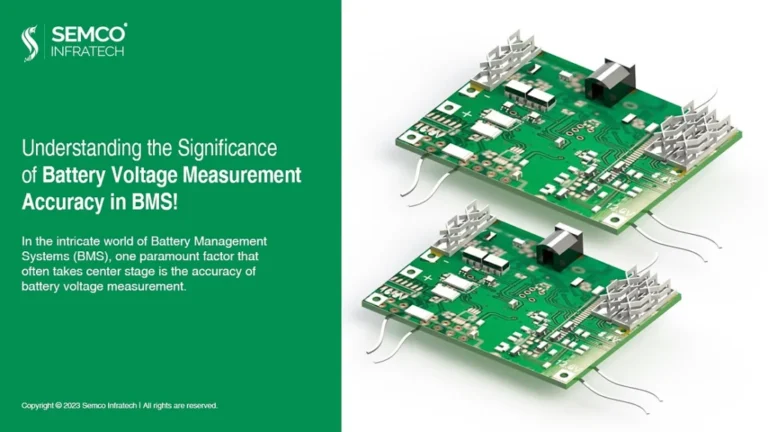
- Incorrect Voltage Detection: This can lead to overcharging or over-discharging, causing safety hazards and reducing battery life.
- Current Detection Failure: Can affect state-of-charge (SOC) estimation and lead to charging imbalances.
- Temperature Detection Failure: This can cause overheating or undercooling, leading to performance degradation and safety risks.
- Insulation Monitoring Failure: This can result in electrical shock if not detected.
- Electromagnetic Compatibility Issues: Interference can disrupt communication and lead to various failures.
- SOC Estimation Errors: Inaccurate SOC estimates can affect battery performance and range.

3. Pack System Integration Failure Modes
- Busbar Failure: Loose connections or oxidation can lead to overheating and potential fires.
- Connector Failure: Poor connections can cause high temperatures and burning.
- Contactor Sticking: Can prevent proper switching and affect battery performance.
- Fuse Overcurrent Protection Failure: Incorrect fuse selection or placement can lead to system failures.
- Structural Damage: External forces can damage the battery pack, leading to seal failure and safety hazards.
Mitigation Strategies
To address these failure modes, manufacturers and users should focus on the following:
- Improved Manufacturing Processes: Minimize defects, ensure proper sealing, and optimize charging protocols.
- Advanced BMS Systems: Implement robust BMS algorithms for accurate monitoring and control.
- Regular Maintenance: Conduct periodic inspections, updates, and maintenance to prevent failures.
- Proper Usage: Avoid extreme temperatures, excessive charging/discharging, and mechanical abuse.
- Continuous Research: Invest in research and development (R&D) to develop new materials and technologies that improve battery safety and performance.

By understanding and addressing these failure modes, the EV industry can work towards creating safer, more reliable, and longer-lasting battery systems for electric vehicles.